
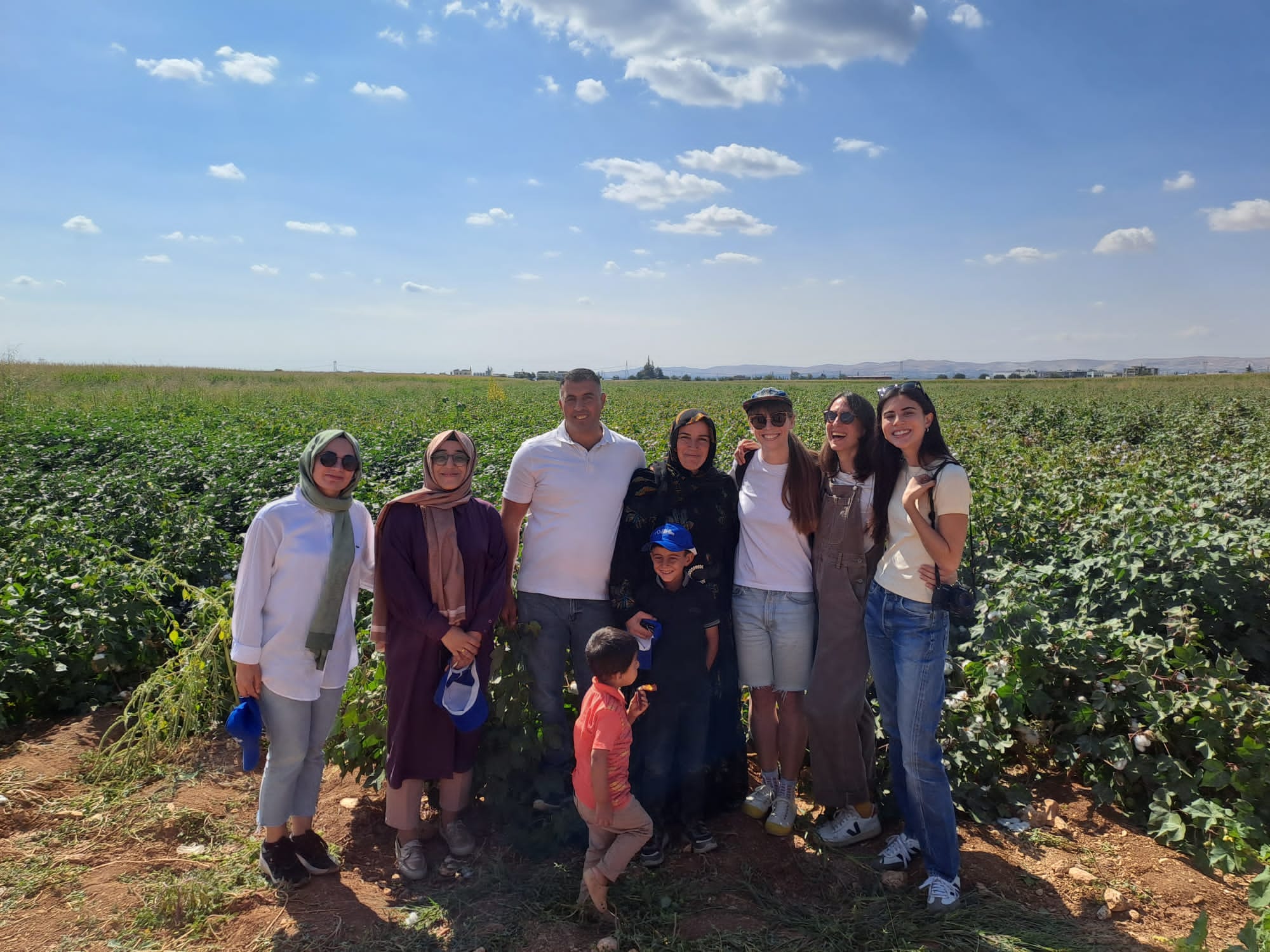
Traceability in the cotton supply chain breaks down the closer one gets to the actual cotton, according to a new study released this month by global research collective the Cotton Diaries. Addressing this gap is critical if brands are going to successfully “address environmental and societal challenges rather than simply document them.”
The research is the fourth installment of the WhoMadeMyCotton study, a five-year-long deep dive into the denim supply chain spearheaded by two textile industry veterans, Ani Wells and Anne Oudard.
It’s extremely difficult to trace a pair of jeans back to a single farmer, says Oudard, because cotton production is communal by nature in most parts of the world.
“This is what makes it harder for people to [trace] the product because they expect a direct link between a product and a cotton farmer. But the reality is that in a lot of these cases, you cannot have this direct link. It’s a lot more complex, with a lot more people intervening in the production.”
That includes agricultural cooperatives, input suppliers, traders, finance institutions, and local organizations, to name a few.
The agrifood industry knows this complex web all too well, but Oudard suggests the textile industry is a different story.
“Five years ago, it was still very unusual to ask where cotton came from,” she tells AgFunderNews. “Everybody just said it was complicated and nobody would really give us an answer.” This was one of the original catalysts for the WhoMadeMyCotton initiative.

More than a compliance exercise
The term “traceability” shows up frequently nowadays in companies’ marketing materials and annual sustainability reports. But as Oudard suggests, traceability has to be seen as more than a compliance exercise or sentimental farmer biography in order to be of actual use to companies.
“It’s not just a nice story to tell, it’s intel from the field.”
By way of example, she mentions the ongoing decline in Turkish cotton production, which has dropped by as much as 40% according to some estimates, and how it is driving some farmers away from even planting cotton. This in turn could impact global supplies and prices.
“For me as a buyer of fabrics, it’s extremely important to have this information in advance, because then I know what is hitting me before it is too late,” Oudard explains.
One farmer expressing doubt about planting also happens to be a trailblazer in regenerative cotton farming practices; his absence from the cotton supply chain could influence others, says Oudard.
“I knew in advance that if we wanted to keep something like this and to produce garments using this type of cotton, we had to make sure [the farmer] had financial support to continue next year.”
The missing middle
One of the biggest opportunities for improving traceability lies at the gin, where cotton is turned into fiber that can then be spun into yarn. Cotton gins are essentially the middle ground between the agricultural and textile industries, which means they manage the buying, processing, and selling of cotton too.
But according to Oudard, many in the textile and fashion industries “don’t even know what a ginning facility is” or that this is a step in the overall process.
“That reveals a lot about the limitations of our system. And of course, we lose traceability.”
Understanding what happens at the cotton gin level could connect companies with “much of the data needed to establish cotton’s origin,” according to the report.
“Depending on the region and business, this can include who delivered cotton, farmer identities, where it came from, volumes, quality information and transaction records.”
Using this information would allow origin data on cotton to travel as the product moves throughout the supply chain, which in turn could “substantially reduce today’s fragmented and costly tracing processes while strengthening due diligence.”
Towards ‘relational traceability’
Data collection is not the end goal, however. It has to be combined with “long-term relationship building with farmers, cooperatives, ginners, and local partners,” according to the report, so that companies can understand that data in context and respond to changing conditions.
Oudard refers to this approach as “relational traceability.”
“I see a lot of efforts from brands asking to know the names of the farmers, but what does a name bring to the understanding of your supply chain? In a lot of cases, knowing who the farmers are is reduced to marketing and storytelling, and also it’s a bit concerning to see farmers almost being tokenized as the face of an entire ecosystem.”
Transactional systems — in which data is an end unto itself — only tell us where cotton moved, she says. Relational traceability, on the other hand, focuses on the people, places and conditions behind those movements.
“This is what brings you intelligence. It’s traceability not just for communication purposes but for building a resilient supply chain.”