
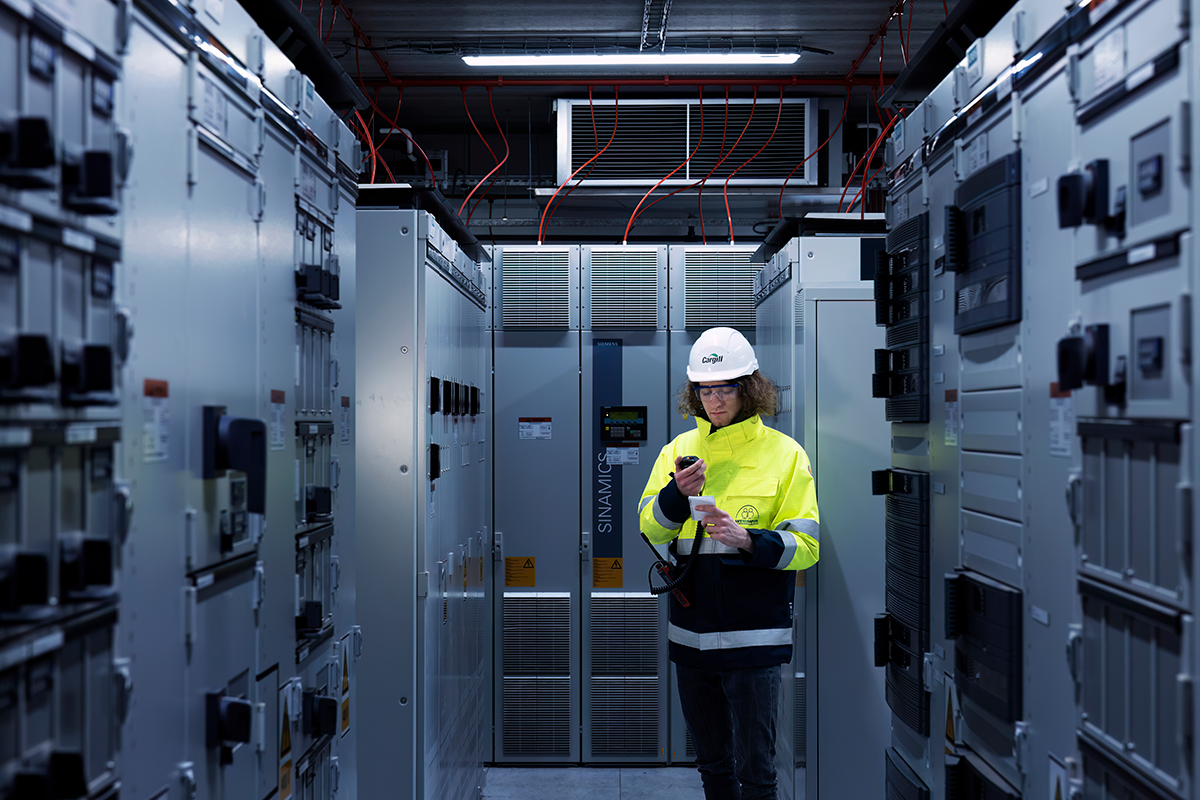
What does it take to protect a multinational agribusiness from cybersecurity attacks?
“We don’t assume every attempt can be prevented, so our focus is on building the readiness to identify threats early and act decisively,” says Brian Cincera, chief information security officer at Cargill.
Right now, chances of attacks in agrifood are extremely pressing but not necessarily apocalyptic, he suggests. The most impactful thing agrifood companies can do is take actions that will strengthen ability to detect threats, learn how to respond, and train the rest of the organization to do the same.
Day to day, that means identifying critical business operations and consistently monitoring people and processes within the organization.
“Advanced AI enables adversaries to create more convincing and scalable attacks, but it also gives defenders new ways to prevent, detect and respond,” says Cincera, who spent nearly 20 years at Pfizer before moving to Cargill in 2024.
People are at the heart of Cargill’s strategy, both within and outside of the company walls. The company is a founding member of threat-intelligence group the Food and Ag-ISAC, and Cincera highlights employee training as a core part of Cargill’s cybersecurity response.
“Technology will keep evolving, but informed people who know what to look for remain one of our most powerful defenses,” he notes.
He recently sat down with AgFunderNews to discuss how Cargill approaches cybersecurity and share lessons for other agrifood companies.
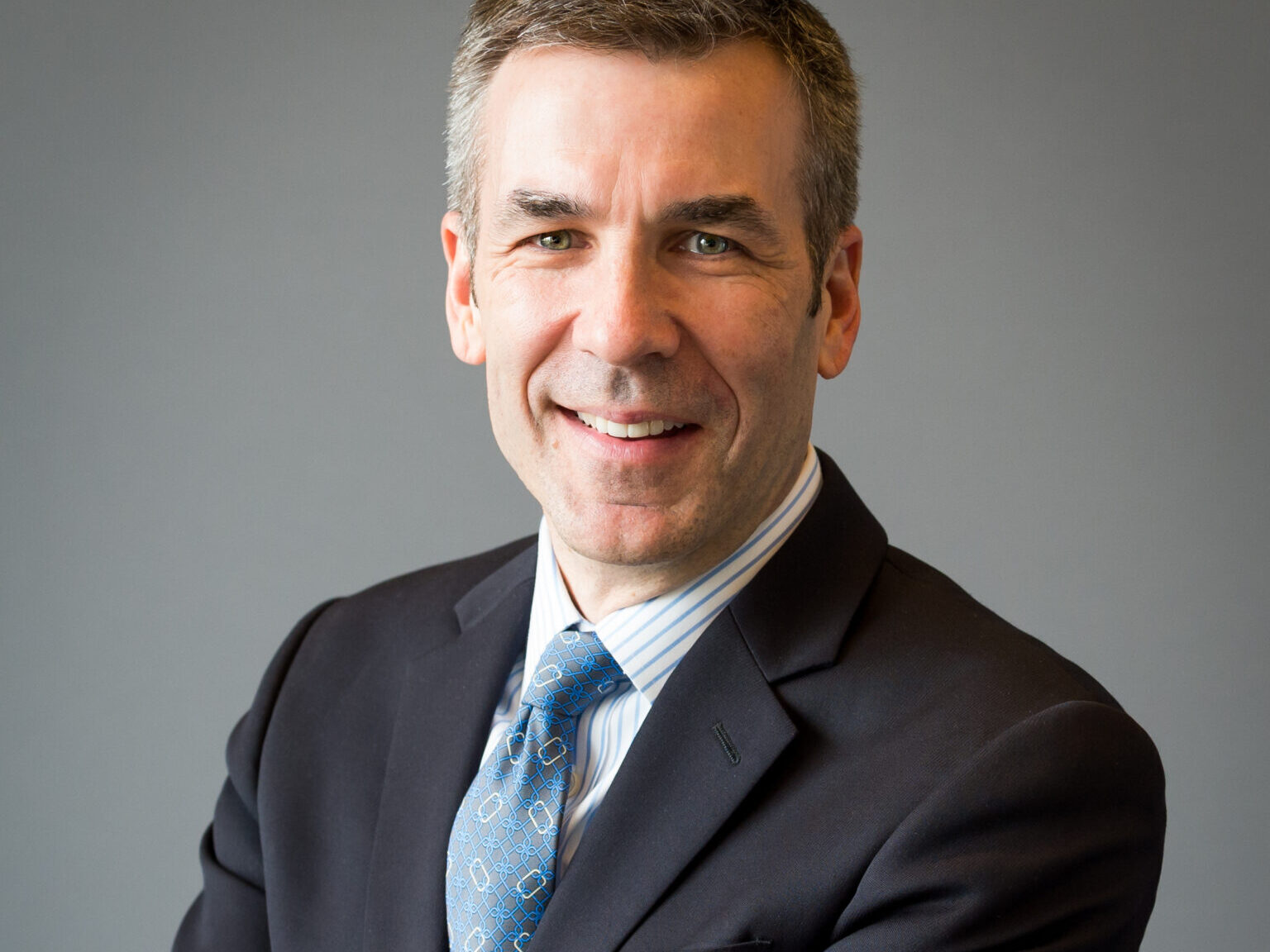
AgFunderNews (AFN): What is Cargill’s strategy for managing security across such a large, global entity?
Brian Cincera (BC): Cybersecurity starts with our business strategy. We identify the operations, relationships and outcomes most critical to our business and the global food system, then determine how security processes and technology can best protect and enable them. Our approach is straightforward: excel at prevention wherever possible, detect threats quickly, and respond decisively when incidents occur.
That requires layers of protection across technology, processes and people, including monitoring, preparedness exercises, employee education, and phishing simulations.
We are also using advanced AI to strengthen prevention, accelerate detection and improve our responsiveness. Consistent execution across these areas helps make us a harder target and strengthens the resilience of the operations and supply chains our customers depend on.
AFN: Has Cargill experienced any major incidents or threat of incidents? How did you respond?
BC: Like every large global organization, Cargill operates in an environment where cyber threats and attempted attacks are persistent and constantly evolving. For security reasons, we don’t discuss specific threats or details of our defenses, but we take every potential threat seriously and have established processes to prevent what we can, detect suspicious activity quickly and respond decisively.
When an incident occurs, our priorities are to contain the threat, protect our people, our operations and our customers, understand the potential impact and restore affected capabilities safely. We regularly test our preparedness, engage with customer security teams, train our employees, and use what we learn to keep improving. We don’t assume every attempt can be prevented, so our focus is on building the readiness to identify threats early and act decisively.
AFN: Cargill was part of the group that formed the Food and Ag-ISAC in 2023. What motivated the company to initially join the initiative? How is it involved?
BC: Cargill helped establish the Food and Ag-ISAC because cybersecurity is one area where the industry is stronger when we work together. The food and agriculture supply chain is deeply interconnected, and an incident affecting one organization can have implications for suppliers, manufacturers and ultimately consumers. We jumped at the chance to join other industry leaders in the sector to create a forum for sharing pre-competitive threat intelligence, indicators and effective security practices.
Today, we remain committed to that mission and to strengthening resilience across the wider food system. No single organization can see every threat. Sharing knowledge helps each participant become a harder target and better prepared to respond.
AFN: On a scale of 1 to 10, with 10 being apocalyptic, how big of a threat are hackers to agrifood operations right now?
BC: The threat is serious enough that no agrifood company can treat cybersecurity as solely an IT issue, but it isn’t a reason to be apocalyptic. Cybercrime is constantly evolving, and the dedication and security investments that agrifood sector participants are making are exactly what keeps the threat in check. As agrifood becomes more connected through AI, automation and remotely managed systems, cyber incidents can affect not only information but also physical operations, production and supply chains.
Organizations can meaningfully reduce risk by understanding their most critical operations, training their people, building security into technology from the beginning and preparing to respond decisively. The most important question isn’t whether the threat is a seven, eight or nine. It’s whether we’re taking action now.
AFN: What should agtech startups do to responsibly develop AI and other digitization tools for food and farm?
BC: Start with the business and operational need, not the technology. Developers should first understand the problem they are solving and the data and systems their technology will touch. Then, digital solutions need to be designed with safety in mind, recognizing that technology failures, misuse or compromise can be inevitable.
Security, privacy, and responsible data practices need to be built in from the beginning, not added at the end. The realities of agriculture, where new tools interact with legacy systems and physical operations, mean that we cannot simply stop for a software update. If a digital tool can influence how food is produced, processed or moved, cybersecurity must be treated as part of product quality and operational safety, not as an optional technical feature.
AFN: What keeps you up at night with regard to Cargill and cybersecurity?
BC: The speed at which the threat landscape is changing and the potential for a digital incident to have real-world consequences across an interconnected food system. Advanced AI enables adversaries to create more convincing and scalable attacks, but it also gives defenders new ways to prevent, detect and respond.
What gives me confidence is the deep commitment of our entire company to cybersecurity. Safety and responsibility are woven into our culture, and the role our people play in that culture extends to cybersecurity. We provide ongoing education to make employees great at detecting and reporting suspicious activity. With approximately 155,000 employees, one person speaking up can help protect everyone around them. Technology will keep evolving, but informed people who know what to look for remain one of our most powerful defenses.

Sign up for our weekly newsletter.